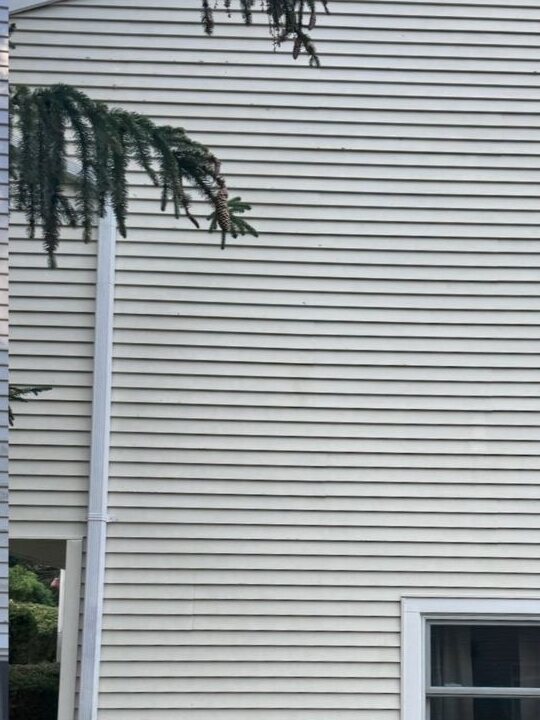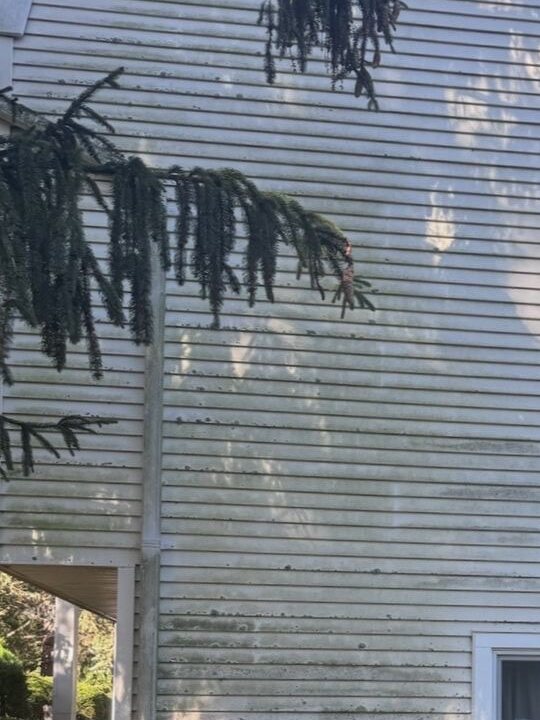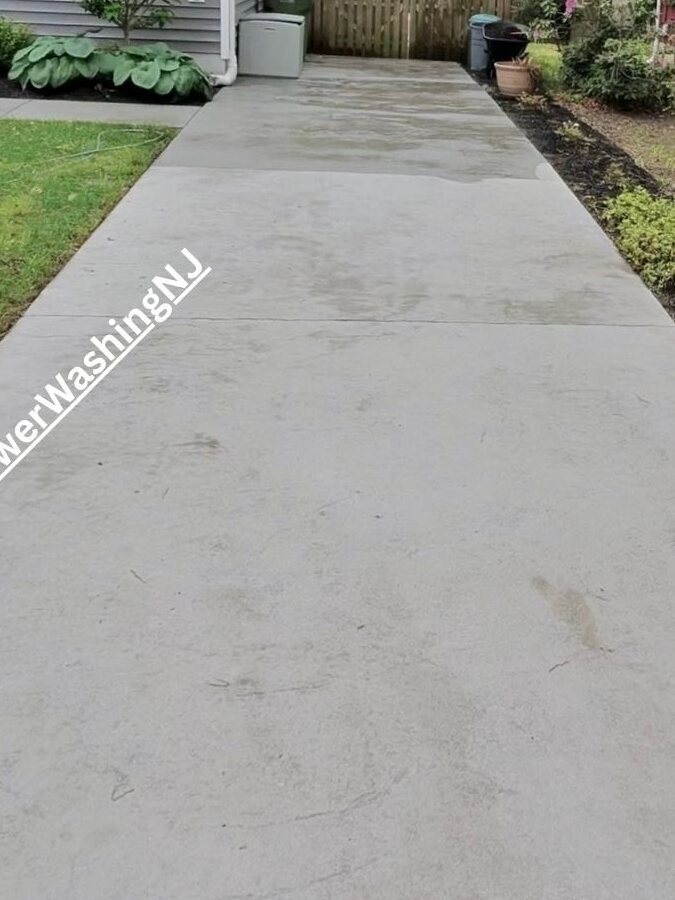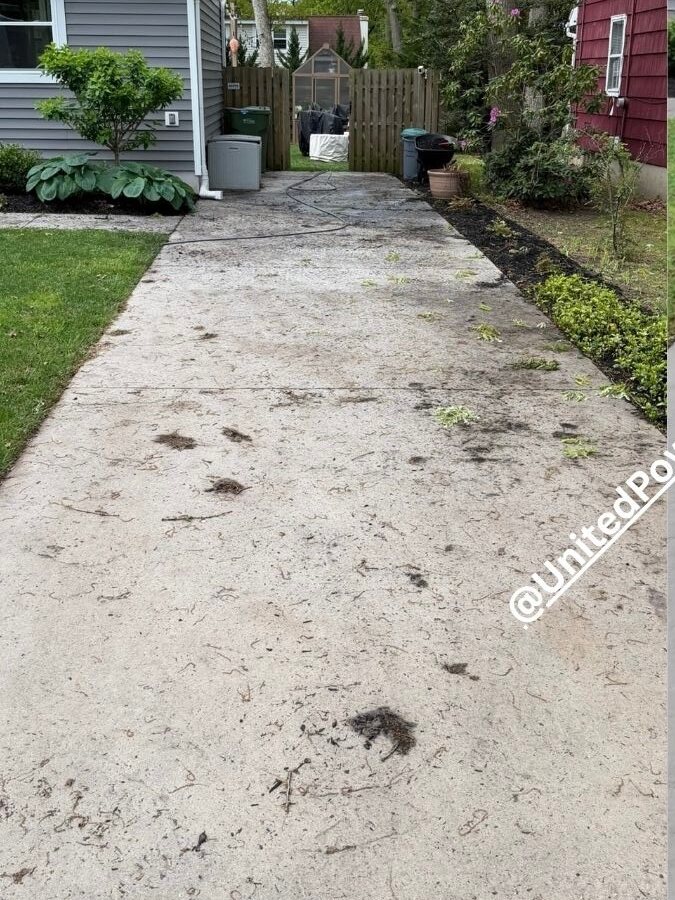
When is the best time to power wash in New Jersey?
The best time to power wash in New Jersey is April through October, when temperatures reliably stay above 40°F during the day. Spring (April–May) and fall (September–October) are the two ideal windows — spring clears a winter's worth of grime before it bakes in, and fall removes summer algae before it sits on your home all winter. Avoid washing within 24 hours of a hard freeze.
Ocean County's climate gives us a solid seven-month washing season, but timing still matters. Wash too early in spring and you're fighting cold snaps; wait until August and peak-season crews are booked solid. Wash in November and you risk freezing overnight temps before surfaces dry. Here's how to thread it.
For most homeowners the answer is simple: schedule your house washing in April or May, and if you miss it, October is your second-best chance before winter. Everything else below is the 'why' behind that.
What is the ideal power-washing window in NJ (April–October)?
In Ocean County, the reliable soft-wash season runs from early April through late October — roughly seven months. The logic is temperature: soft-wash cleaning solution needs to dwell on the surface and rinse cleanly, which requires temps above about 40°F so the water doesn't freeze mid-job and the chemistry stays active.
Within that window, two sub-seasons stand out. Spring (April–May) is peak demand for a reason: winter's salt spray, pine pollen, and roof algae have had months to settle in, and cleaning before summer humidity arrives lets the house 'reset' for the best-looking six months of the year. Fall (September–October) is the underrated window — algae from the warm, humid summer is at its worst, and clearing it before the first freeze stops it from bonding to siding any further.
Salt air from Barnegat Bay and the Atlantic means algae and mildew grow faster here than inland NJ. North-facing walls and homes with pine shade (Jackson, Manchester, Lacey) can look visibly mildewed by June if they weren't washed in spring. That's why year-round maintenance beats the 'every three years' approach most inland homeowners get away with. Learn more in our guide to how often to power wash on the Jersey Shore.
Summer (June–August) is technically fine for washing — temperatures are no problem. The issue is scheduling: this is the busiest season for exterior work in Ocean County, and most reputable crews are booked 2–4 weeks out from May onward. If you want a July slot, you need to call in April.
Can you power wash in October or fall in New Jersey?
Yes — October is one of the best months to power wash in New Jersey. Daytime temperatures in Ocean County in October typically range from the mid-50s to mid-60s, well above the 40°F threshold. Summer algae is at peak growth and falls off quickly with a soft-wash treatment, and cleaning before winter removes the grime before it can bond harder to your surfaces.
The only October caveat is the overnight forecast. In late October, NJ can see nighttime temperatures dip into the high 30s, which means there's a narrow window between 'wash is fine' and 'wash just before a hard freeze.' The fix is simple: we check the forecast and don't schedule if there's a freeze within the drying window (usually 24 hours after the job).
Why fall washing makes sense for Ocean County homes
- Summer algae removal: The warm, humid summer is peak algae season. By September–October, north-facing walls and shaded roofs are at their dirtiest. A fall soft wash removes that layer before it gets a full winter to bond to siding.
- Pre-winter prep: Cleaning your home exterior before winter means salt spray, leaf tannins, and moisture hit a clean surface rather than stacking on top of existing grime.
- Gutter clearing: Fall is the number-one time for gutter cleaning. Pine needles, oak leaves, and roof debris pack gutters fast after the first storms — clearing them before the first freeze prevents ice dams and fascia damage.
- Lower demand = faster scheduling: October is significantly less busy than May–August. You can often get a slot within a week.
- Shoulder-season pricing: Some crews offer better availability (and sometimes better pricing) in fall simply because demand is lower.
Wondering about cost for a fall job? See our fall power-washing cost page for what to expect on pricing this time of year.
What is the freezing-temperature rule for pressure washing?
Never pressure wash or soft wash when temperatures will drop below freezing before the surfaces have fully dried — typically within 24 hours of the job. Water trapped in concrete pores, siding seams, brick mortar, and wood grain expands as it freezes. On concrete that expansion causes surface pitting and spalling; on vinyl it can crack panels; on brick it can blow out mortar joints.
This rule applies to both soft washing and pressure washing, but the risk profile is different. High-pressure water drives deeper into porous surfaces — so a concrete driveway washed the day before a hard freeze faces a higher spalling risk than a siding job. Soft washing uses less water volume, but the same principle applies to any joint, crevice, or micro-crack.
Before any job in October, November, or early April, we check: (1) is the daytime high above 40°F? (2) will overnight temps stay above 32°F for the next 24 hours? (3) is there any wind advisory that could accelerate freeze? If any of those are borderline, we reschedule — it takes 5 minutes and protects your concrete and siding from real damage.
The 40°F guideline is a practical threshold because it gives the water time to drain and dry before nighttime temperatures flirt with freezing. In Ocean County we typically see our first reliable overnight freeze in mid- to late November, which means October is almost always safe with reasonable planning.
Should you power wash your house before winter — and what should you focus on?
Yes — a pre-winter wash in September or October is one of the smarter maintenance moves you can make as an Ocean County homeowner. Here's the logic: moisture, algae, and leaf debris that sit on your home's exterior all winter don't just look bad. They actively damage the surface underneath.
Here is what to prioritize in a pre-winter exterior cleaning, in order of importance:
- 1Gutter cleaning and downspout flushing
This is the highest-priority fall task. Clogged gutters overflow, sending water along your fascia and foundation instead of away from the house. When that water freezes it expands, and ice dams can tear gutters off. A gutter cleaning in October or early November — after the leaves have fallen — is the single best freeze-prevention move you can make. Starting from $149.
- 2Roof debris and moss removal
Leaves and pine needles that pile up against your flashing and in your valleys trap moisture all winter. Soft-wash roof treatment in fall also kills any algae and moss that would otherwise keep growing under snow cover. See the roof soft-washing guide for Ocean County for what to expect.
- 3Siding and house exterior soft wash
A soft wash in September or October removes the summer's algae and mildew, eliminates food sources for winter mold growth, and leaves your home looking clean coming into the holiday season. A whole-house soft wash in Ocean County runs $299–$450 for most homes. See house washing for details.
- 4Driveway and walkway pressure wash
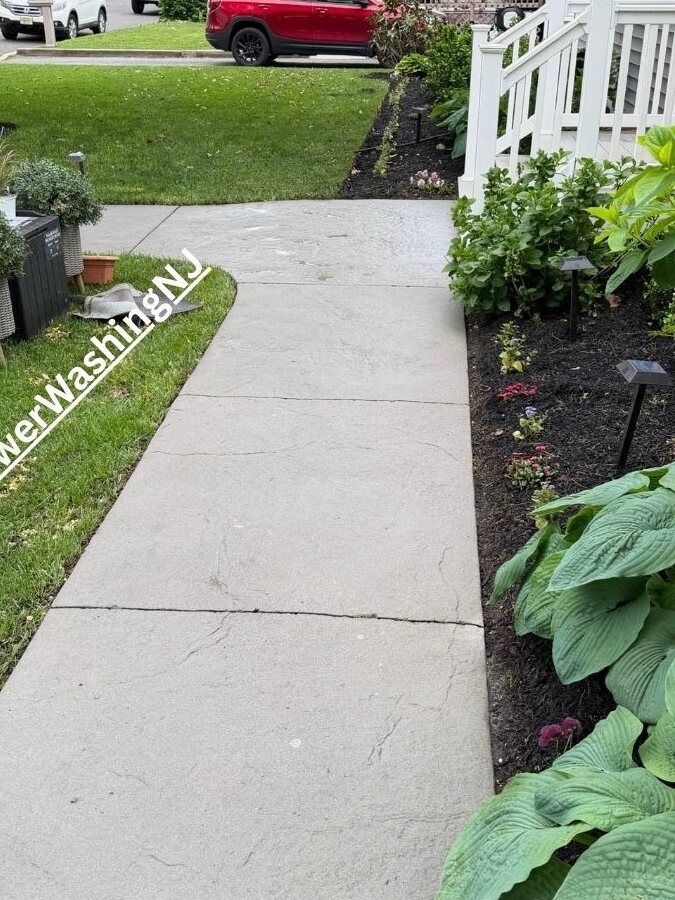
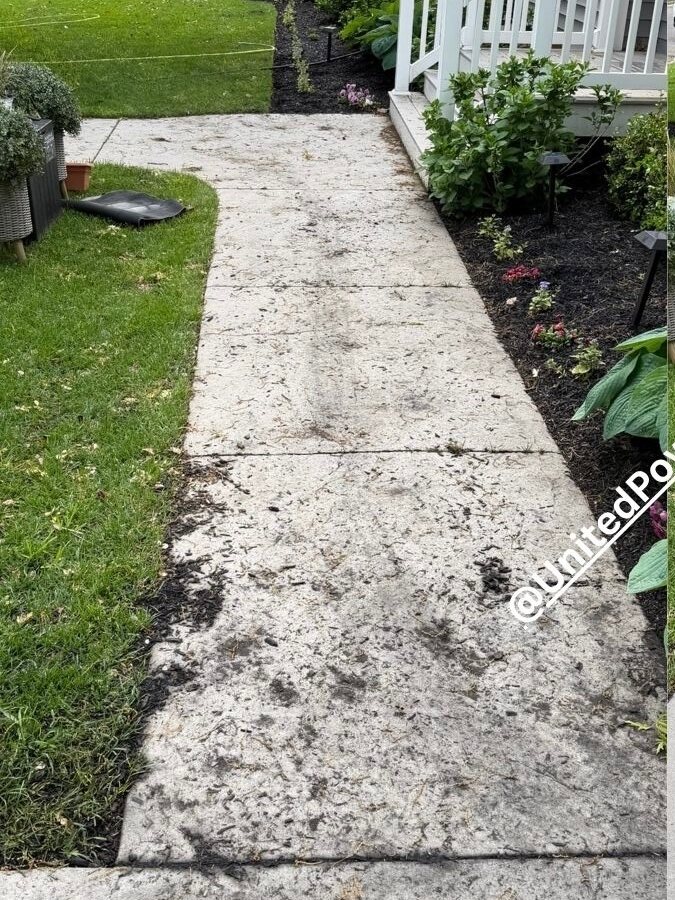
Salt, leaf stains, and algae on concrete all winter make surfaces slippery and accelerate freeze-thaw damage. A fall pressure wash removes the organic material that holds moisture against the surface. Consider sealing after — a penetrating concrete sealer dramatically reduces water intrusion and winter spalling.
Most of our fall customers book a house wash and gutter cleaning together — it's one trip, and the house-wash rinse water helps clear minor debris from downspout openings anyway. Bundling typically saves $30–$60 vs. two separate visits and gets both jobs done before the November rush. Get a quote at /quote.
Why is mid-winter power washing risky?
Mid-winter power washing — December through February in New Jersey — risks real, permanent damage to concrete, brick, and vinyl siding. Water driven into pores and cracks by pressure freezes and expands, causing concrete spalling, brick mortar blow-out, and vinyl cracking. Soft-wash chemistry also loses effectiveness below 40°F. We don't recommend exterior washing during this window.
There is a specific risk to vinyl siding in extreme cold that homeowners don't always know about: vinyl becomes brittle below about 20°F. Even without water involved, vinyl that is struck or flexed in very cold temperatures can crack. Add the thermal shock of hitting frozen siding with liquid, and you risk panel cracking even with low-pressure soft washing.
Concrete is the other big risk. Pressure washing drives water into the tiny air voids in cured concrete. If that water freezes the same day — even if the surface looks fine going in — the expansion creates micro-cracks in the surface. After a few freeze-thaw cycles those micro-cracks become visible pitting and scaling. This is exactly how Ocean County driveways age prematurely.
- Concrete: freeze-thaw spalling from water driven into surface pores by pressure
- Brick and pavers: mortar joint damage from trapped ice expansion
- Vinyl siding: brittleness below ~20°F means cracking risk even at soft-wash pressures
- Cleaning chemistry: sodium hypochlorite and surfactants lose effectiveness below 40°F, meaning a winter 'wash' may not actually clean
- Drainage: cleaning water has nowhere to drain quickly in freezing temps, pooling and re-freezing on walkways and driveways
The honest answer: if you missed the fall window, wait until April. A spring wash will clean everything winter left behind just fine, and you won't risk a cracked driveway or a split vinyl panel.
What's the best season for roof cleaning specifically?
The best time for roof soft washing in New Jersey is late summer or early fall — August through October. This is when algae growth (those black 'Gloeocapsa magma' streaks) peaks after a warm, humid summer, and treating in fall gives the cleaning solution time to work before the roof sits under winter snow cover. Spring is also excellent if the growth is heavy.
Roof cleaning timing is a little different from house washing because the black streaks you see are living algae, not just surface dirt. The soft-wash treatment kills the algae at the root and the residue rinses off over the next few rainstorms. That process works best when temperatures allow the solution to dwell properly — exactly what September and October provide.
What you want to avoid is leaving black algae untreated through another winter. Gloeocapsa magma feeds on the limestone filler in asphalt shingles. Every year it goes untreated it eats a little more, shortening your roof's life. A new roof in Ocean County runs $8,000 or more; a soft-wash cleaning runs $399–$700. The math is obvious.
| Season | Roof cleaning suitability | Notes |
|---|---|---|
| Spring (Apr–May) | Excellent | Removes winter debris; algae may not be at peak yet |
| Summer (Jun–Aug) | Good | Peak algae; crews busy — book weeks ahead |
| Early fall (Sep–Oct) | Best window | Peak algae + scheduling availability + pre-winter prep |
| Late fall (Nov) | Okay with care | Watch overnight freeze forecast closely |
| Winter (Dec–Feb) | Avoid | Cold reduces solution effectiveness; freeze risk |
Ocean County roof cleaning seasonal guide. See our full cost breakdown in the roof cleaning cost guide.
For a deeper look at what roof cleaning costs and what the treatment actually does, visit our Ocean County roof soft-washing guide or get a direct price at /quote.
Why does booking early in spring matter?
Ocean County exterior cleaning crews fill up fast — faster than most homeowners expect. By mid-April, most reputable local companies are scheduling 2–4 weeks out. By Memorial Day weekend, some are looking at June slots. If you wait until you can actually 'see the dirt,' you're already behind.
The demand spike is driven by the same thing every year: winter ends, homeowners notice the green and black on their siding, and everyone calls within about a three-week window. The homeowners who got on a company's schedule in March get April slots. Everyone else waits.
The single best move for Ocean County homeowners is to request a quote in late February or March — even before the weather is warm enough to wash. You lock in your preferred date, and most companies won't require payment until the job is done. Getting a free quote at /quote takes two minutes. Don't wait until you can see the mold — by then you're competing with every other homeowner who can also see the mold.
If you do miss the spring rush, remember: a summer or fall wash is still better than no wash. Algae that sits on vinyl siding long enough can cause permanent discoloration that won't clean off — so late is always better than never. See is house washing worth it for the full cost-benefit.
For roof cleaning specifically, booking early is even more important because roof slots are limited — it's more specialized work and most companies run fewer crews for it. If you see black streaks, don't let it sit another season.
Month-by-month seasonal washing calendar for New Jersey
Here is the practical month-by-month guide for Ocean County homeowners. 'Recommended' means ideal conditions and smart timing; 'Okay' means technically fine with the right weather check; 'Avoid' means real risk of damage or ineffective cleaning.
| Month | House / Siding Wash | Roof Cleaning | Driveway / Concrete | Gutters |
|---|---|---|---|---|
| January | Avoid | Avoid | Avoid | Avoid |
| February | Avoid | Avoid | Avoid | Avoid |
| March | Okay (late month) | Okay (late month) | Okay (late month) | Okay — get on spring schedule |
| April | Recommended | Recommended | Recommended | Recommended |
| May | Recommended | Recommended | Recommended | Recommended |
| June | Good — book ahead | Good — book ahead | Good — book ahead | Good |
| July | Good — book far ahead | Good — book far ahead | Good — book far ahead | Good |
| August | Good | Best (peak algae) | Good | Good |
| September | Recommended | Best (peak algae) | Recommended | Recommended |
| October | Recommended | Recommended | Recommended | Recommended — do it now |
| November | Okay (early month) | Okay (early month) | Okay (early month) | Last call before freeze |
| December | Avoid | Avoid | Avoid | Avoid |
Ocean County, NJ seasonal washing calendar. 'Okay' = check the 48-hour freeze forecast first.
The two months that surprise people most are March (late month is fine if temps are above 40°F consistently) and October (almost always fine, and often the best availability of the year). Neither is a risk with a quick weather check.
Frequently asked questions
Yes — October is one of the best months for exterior washing in NJ. Ocean County daytime temperatures in October are typically in the 55–65°F range, well above the 40°F minimum. The only check you need: make sure temperatures won't drop below freezing within 24 hours of the job. October is also less busy than summer, so scheduling is easier and faster.
The practical threshold is 40°F during the job and no freeze forecast for the next 24 hours. Below 40°F, soft-wash cleaning chemistry loses effectiveness and water drains more slowly. Below freezing, trapped water in concrete pores, siding seams, and brick mortar can freeze and expand, causing cracking, spalling, and mortar damage. We monitor the forecast and won't wash if either condition is at risk.
Yes, especially in Ocean County. A fall wash removes summer algae before it bonds harder over the winter and eliminates the food sources that let mold keep growing under snow cover. It also means your home heads into the holiday season looking its best. Pairing it with a gutter cleaning in October or early November is the most cost-effective exterior prep you can do before the first freeze.
Twice a year is ideal: once in spring (after seed and pollen season) and once in fall (after the leaves drop — usually late October through mid-November in Ocean County). The fall cleaning is the more critical one. Clogged gutters going into winter overflow against your fascia, and that water freezes into ice dams that can tear gutters off the house and back water up under your shingles. Gutter cleaning starts at $149.
Book in February or March if possible. Ocean County crews fill up fast — most reputable companies are scheduling 2–4 weeks out by mid-April and looking at May or June slots by Memorial Day. You don't need to pay until the work is done, so there's no downside to reserving your spot early. A quick quote request at /quote takes two minutes and locks in your date.
Steve Franco was born and raised in Toms River and started power washing at a young age. He founded United Power Washing to do exterior cleaning the right way: soft washing that kills mold at the root without damaging siding or roofs. A licensed, insured and bonded NJ contractor, he writes these guides to give Jersey Shore homeowners straight, no-nonsense answers.